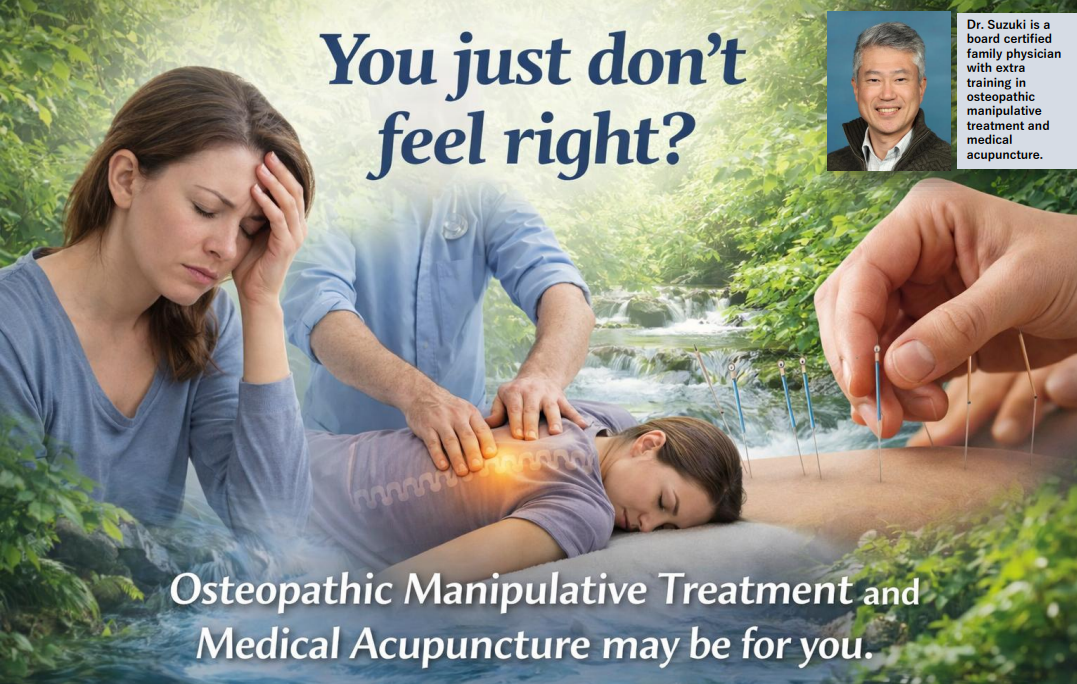
We are pleased to offer both Osteopathic Manipulative Medicine (OMM) and Medical Acupuncture in our practice. These services will be provided by Dr. Taisei Suzuki, who is a board-certified osteopathic family physician with focused advanced training in Osteopathic Manipulative Medicine and acupuncture. OMM and acupuncture are not only used for musculoskeletal complaints but also for a variety of other chronic conditions.
request an appointmentWhat is Osteopathic Manipulative Medicine (OMM)?
Osteopathic Manipulative Medicine (OMM) is a core component of osteopathic medical practice. It uses hands-on techniques such as stretching, mobilization, myofascial release, and gentle pressure to diagnose and treat dysfunction in muscles, joints, fascia, and connective tissue. OMM is based on the principle that structure and function are interrelated. When alignment, biomechanics, or fascial balance are disrupted, pain and dysfunction can occur. By restoring balance, OMM supports improved circulation, decreased inflammation, and nervous system regulation.
A central philosophy of osteopathic medicine is that the body functions as an integrated unit of body, mind, and spirit. Osteopathic physicians are trained to evaluate how physical structure, emotional stress, lifestyle factors, and overall well-being influence health. OMM helps restore balance within this body–mind–spirit connection by improving structural alignment, supporting nervous system regulation, and allowing the body’s natural healing processes to function more effectively.
Osteopathic physicians are also trained to focus on “finding health” rather than simply treating disease. This means identifying and supporting the body’s inherent capacity to heal and maintain balance, rather than focusing solely on symptoms or pathology. Unlike chiropractic adjustments, OMM is performed by a fully licensed physician (DO) who integrates manipulation into a comprehensive medical evaluation.
What conditions can OMM help treat?
OMM is commonly used for:
• Neck pain and back pain
• Headaches and migraines
• Shoulder, hip, and joint pain
• Postural dysfunction
• Sports injuries
• Chronic pain syndromes
• Sciatica
Beyond musculoskeletal conditions, OMM may also support patients with:
• Asthma and COPD (improving rib and diaphragmatic motion)
• Irritable bowel syndrome (IBS)
• Chronic infections or inflammatory conditions
• Stress-related tension and autonomic imbalance
By improving biomechanics and modulating the nervous system, OMM can be an important component of integrative pain management and chronic disease care
How does OMM work?
OMM works through several mechanisms:
• Improving structural alignment
• Enhancing circulation and lymphatic flow
• Reducing inflammation
• Modulating pain pathways
• Balancing the autonomic nervous system
Techniques may include myofascial release, soft tissue mobilization, joint articulation, counterstrain, muscle energy techniques, rib raising, diaphragmatic release, and lymphatic pump techniques. By restoring structural balance and supporting nervous system regulation, OMM helps the body return toward a more optimal state of function and healing.
How is OMM different from physical therapy or chiropractic care?
• OMM is performed by a physician (DO) who integrates full medical evaluation and diagnosis.
• It complements physical therapy and may enhance rehabilitation outcomes.
• It is part of an integrative medical plan that may include functional medicine, lifestyle therapy, and conventional treatment when needed.
OMM often works synergistically with the concierge and functional medicine care you already receive in our practice.
What is medical acupuncture?
Medical acupuncture is performed by a physician trained in both Western medicine and traditional acupuncture principles. Thin sterile needles are placed at specific points to:
• Reduce pain
• Improve blood flow
• Modulate the nervous system
• Reduce inflammation
• Promote relaxation
Dr. Suzuki may incorporate acupuncture into an OMM session when clinically appropriate. There is no separate fee for acupuncture if used during your visit
How much does this cost?
We do not participate with insurance. However, we are happy to provide a superbill for possible out-of-network reimbursement (not Medicare, not HMO).
Fees:
• Initial Visit (90 minutes): $375
• Follow-Up Visit (60 minutes): $250
How do I get started?
Dr. Suzuki sees patients on Friday. Call the office at 855-646- 8963 or request an appointment online to get started.
About Dr. Taisei Suzuki, DO, MIPH, CCHP-CP, FAAFP
Dr. Taisei Suzuki is a board-certified osteopathic family physician with focused advanced training in Osteopathic Manipulative Medicine and acupuncture.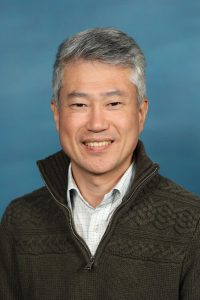
He earned his undergraduate degree in Biology from the University of Portland, a Master’s Degree in International Public Health from the University of Sydney, Australia, and his Doctor of Osteopathic Medicine from A.T. Still University Kirksville College of Osteopathic Medicine.
Before entering medicine, Dr. Suzuki spent nearly eight years as a humanitarian aid worker with non-governmental organizations and the United Nations, serving in countries including Afghanistan, Liberia, Sudan, and Zimbabwe.
He completed his family medicine residency with The Wright Center for Graduate Medical Education’s National Family Medicine Residency Program, training in Washington, D.C. and Tucson, Arizona, and served as Chief Resident.
He is board-certified by the American Osteopathic Board of Family Physicians.
Dr. Suzuki has held leadership and academic roles including:
• Former Associate Program Director, National Family Medicine Residency Program at Unity Health Care training location (Washington, D.C.)
• Adjunct Clinical Assistant Professor, A.T. Still University School of Osteopathic Medicine
• Clinical Assistant Professor, George Washington University Department of Medicine
• Immediate Past President, Maryland Association of Osteopathic Physicians
He provides comprehensive osteopathic medical care with a whole-person approach, integrating OMM, acupuncture, and primary care principles to help patients restore function, reduce pain, and improve quality of life. Guided by the osteopathic philosophy of finding health rather than simply treating disease, he focuses on identifying and supporting the body’s natural capacity for healing and balance. By addressing the interconnected relationships between structure, function, and overall well-being, his care aims to promote long-term health rather than only managing symptoms.